Williamsburg Softball Asphalt League

Case Study - Website & League Management System
Four hours of Monday Admin, Now Ten Minutes.

WSAL’s commissioner was spending hours every week compiling scores and updating league information by hand. Penn Playne Studios built a platform where managers submit results and the season updates itself, turning a Monday marathon into a ten minute review.

Overview

A league this fun shouldn’t take this much work to run.

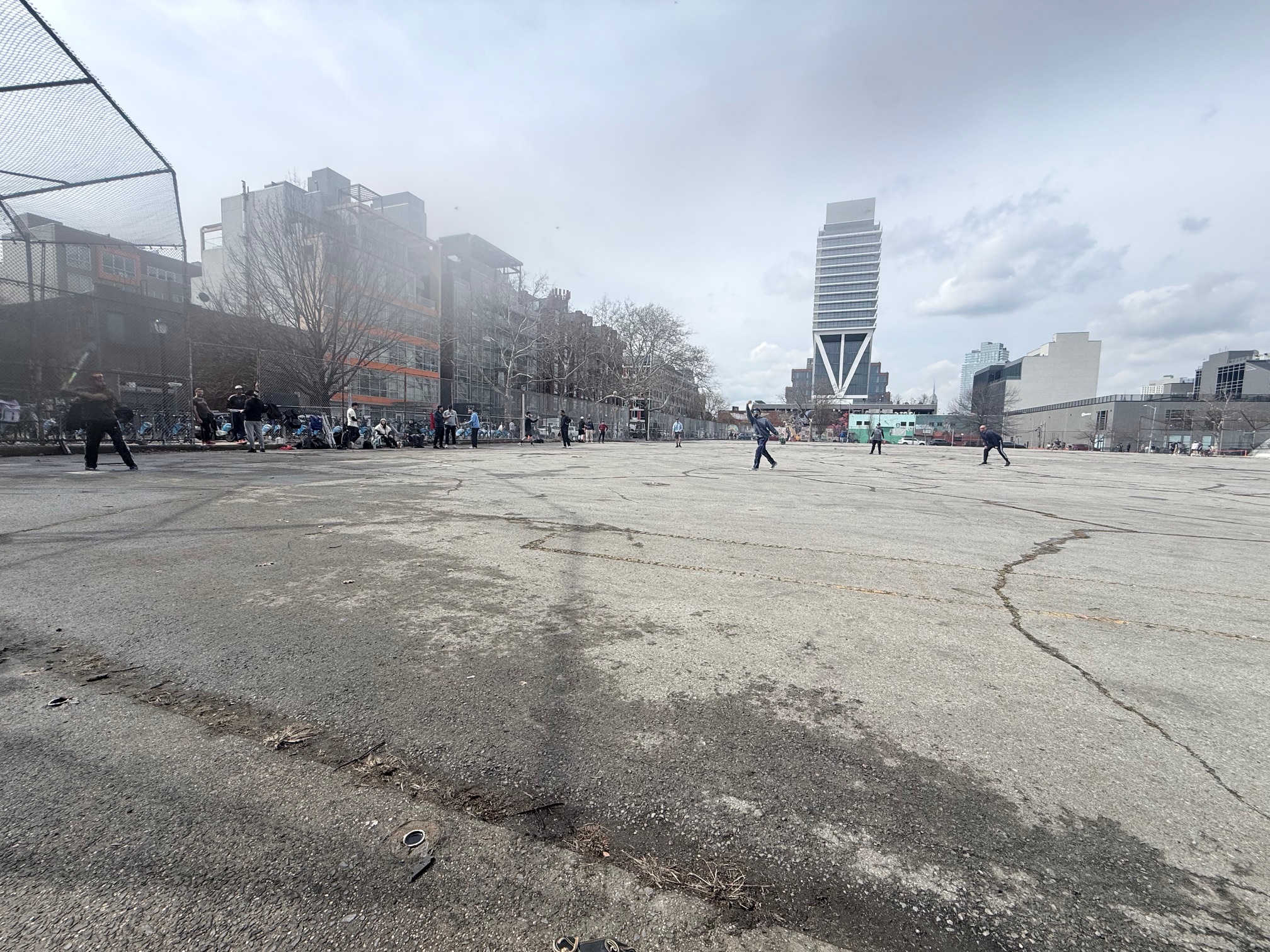
The Williamsburg Softball Asphalt League is a seven-team slow-pitch league played on the asphalt fields at McCarren Park in Williamsburg, Brooklyn.

The league was thriving on the field but becoming increasingly difficult to manage behind the scenes. Every score, standing, and schedule update ran through one person: Commissioner Holland Cowger.

Keeping the league current required two to four hours of manual work every Monday. Holland had to collect results, recalculate standings, and update multiple pages before players and managers could see the latest information.

After seeing the Williamsburg Hitmen website created by Penn Playne Studios, Holland approached Brian with a larger operational problem. He did not simply need a better-looking website. He needed a system that could reduce the time and effort required to run the league.

The goal was to create one central platform that would remain current as games were played—allowing the commissioner to review information in minutes rather than rebuild it every week.

Client

Williamsburg Softball Asphalt League

Sector

Recreational Sports

Engagement

Website Design & Development, Custom League Management System

Year

2026

Team

Brian Rivera

Collaborators

Holland Cowger — Commissioner and product partner

01

Strategy

The league’s information depended on one person’s spare time.

Every score, standing, and schedule change had to pass through the commissioner before reaching the rest of the league. Each Monday, Holland collected scores from managers, recalculated standings, reviewed playoff implications, and manually updated the website. The process regularly consumed two to four hours and became more difficult as the league’s information expanded. The result was a bottleneck. Updates could only happen when the commissioner had time to process them, leaving players and managers waiting for current standings and league information. The problem was not simply the website. It was the workflow behind it.

What we did

02

Verbal identity

Clear enough for managers. Familiar enough for the league.

The platform needed language that could guide team managers through reporting results without making a recreational league feel corporate. Penn Playne Studios created a straightforward content system for schedules, scores, standings, rosters, and administrative actions. Labels explain exactly what information is needed, game-result forms follow the way managers already talk about matchups, and status messages make it clear what has been submitted and what still needs review. The voice stays direct and useful while retaining the personality of a neighborhood league.

What we did

03

Visual identity

Official enough for the league. Scrappy enough for the blacktop.

WSAL already had one established visual asset: its logo. Penn Playne Studios used that mark as the foundation for the site’s broader visual system. The platform needed to feel organized, current, and credible without losing the neighborhood character of softball played on asphalt at McCarren Park. Clear information hierarchy, real photography, team logos, matchup graphics, and structured data make the platform feel active and connected to game day. Seven individual team identities live inside one consistent league framework, so every roster, schedule, result, and standings page remains recognizable as part of WSAL.

What we did

The idea

Report the game once. Update the whole league.

Instead of asking the commissioner to rebuild league information every Monday, the platform turns each manager’s score submission into structured data. Once reviewed, that result updates the schedule, standings, team records, and season history from one source of truth. The system follows the league’s existing behavior while removing the repetitive administrative work behind it.

The work

A league platform that keeps the season moving.

Impact

Monday administration went from hours to minutes.

10 min

Weekly admin review

The commissioner can review the week’s submitted results in roughly ten minutes instead of spending two to four hours rebuilding league information.

7

Teams in one system

Every team has a consistent home for its roster, schedule, results, and record while retaining its own identity.

1

Source of truth

Schedules, results, standings, and team records now flow from the same structured system instead of separate manual updates.

Press